

Ponds

Brynard's Pond

Willow Pond

Dairy Pond
Five ponds are located within the park. Generally, two hold water all year round. However in September 2025, a major project was undertaken to restore the three main ponds pictured. They were re-excavated to increase their depth and capacity to hold water and reprofiled to provide access for wildlife. During 2026 we expect pondlife flora & fauna to recolonise, providing vibrant and sustainable habitats that will benefit local wildlife in and around the park.
The habitats on-site, including woodland, grassland and ponds, can support a wide array of common invertebrate species. There are thirteen records of great crested newts within two kilometres of the park.
Although there’s no strict rule separating ponds from lakes, ponds are usually much smaller, often under five hectares in size and shallow enough that sunlight can reach most of the bottom. They can form in many ways, from glacial movements and seasonal flooding to deliberate construction for wildlife, farming, or landscaping.
2025 Pond Improvement Works


Willow Pond before and after
Brynard's Pond improvement works


Dairy Pond before and after


Ponds Throughout the Year
Most ponds in southern England fill over autumn - winter (due to more rain and less evaporation) and draw down in late spring. This helps wildlife, as summer drawdown exposes a “drawdown zone” of damp mud and shallow margins, prime habitat for seeds to germinate, invertebrates to forage, and amphibians to use the warm, shallow water for growth and hunting. It’s one of the richest parts of a pond ecosystem.
What you’ll see in the park:
-
Winter - Early Spring: higher water levels allow for amphibians to begin breeding
-
Summer: lower water levels allows for lush marginal plants (bulrush & sedges) and peak insect activity (damselflies/dragonflies)
-
Autumn: vegetation dies back and leaf fall adds nutrients to the ponds, all part of the annual cycle

This chart shows nearby average monthly rainfall, with a consistent wet October–January and a drier March–June.
Plants In and Around the Ponds
Bulrush (Typha)
-
Forms dense emergent fringes that create shelter and vertical structure for invertebrates and amphibians along shallow margins.
-
Particularly valuable where water levels fluctuate seasonally, its stems mark the drawdown zone and keep habitat usable as edges dry and re-flood.
Tall Sedge (Carex)
-
Occupies the shallow, soft margins, binding soil and providing foraging and egg‑laying micro‑habitats for a range of aquatic invertebrates.
-
Copes well with summer drawdown, exposing a productive edge where many wetland plants and invertebrates complete parts of their life cycles.


Tall Sedge
Bulrush

Water
Mint
Floating
Sweet-grass

Water Mint (Mentha aquatica)
-
A good nectar source at the pond margin, boosting invertebrates that feed the wider food web (damselflies, beetles, etc.).
-
Thrives at damp edges that alternately wet and dry through the year, exactly the dynamic the park’s ponds exhibit.
Floating Sweet‑Grass (Glyceria fluitans)
-
Its floating leaves and soft cover create micro‑refuges for newts and froglets near the surface and along the margins.
-
Contributes the kind of structural variety (a mix of floating, emergent and marginal plants) that amphibian guidance highlights as beneficial for breeding ponds.
-
Maintain patches rather than full coverage to keep open water for basking insects and hunting birds.
Animals In and Around the Ponds
Amphibians
-
Great Crested Newt (Triturus cristatus) - the site has high potential for this animal. Adjacent scrub, long grass, woodland and hedgerows provide the sheltering and foraging habitat the newts need during their terrestrial phase.
-
Smooth newt (Lissotriton vulgaris), Common Frog (Rana temporaria) and Common Toad (Bufo bufo) are also likely to be present, using shallow pond margins for breeding and the surrounding grass/scrub for cover and feeding.
Reptiles
-
Grass snake (Natrix helvetica) are likely present in the park. The site’s long grass, scrub and warm pond edges offer hunting and basking opportunities.

Grass Snake
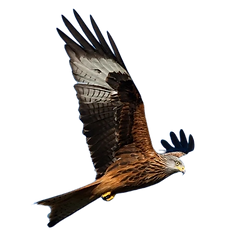
Red Kite
Great
Crested
Newt


Common
Frog
Invertebrates & Birds
-
The combination of woodland, grassland and pond is important for local invertebrates. Ponds and their surroundings can provide great habitats for a wide array of common species that are vital to the interconnected food chain of native species.
-
Breeding birds are present in nearby scrub, hedgerows and trees. Common species include house sparrows, woodpigeons, red kites and carrion crows, who use pond edges for foraging and as sources of water, including for cooling down on hot days!
Tell us what you have spotted today!
We are keen to hear what plants and wildlife you have seen in the park today.
Click on this link to send us a message and photos !
Thanks
